How to Photograph Food for a Restaurant or Pizza Chain
In 2019, I got my big opportunity in professional food photography. Once, I wrote a letter proposing collaboration with Fedor Ovchinnikov, the founder of the “Dodo Pizza” chain. And I got a response, not from him, but from a person who managed the company’s photo production. I was amazed when they invited me to their office in Moscow. On the same day, in the corridor, I met Fedor, who was hurrying somewhere. He asked, “Are you the photographer who wrote to me? I see you’re getting a tour,” shook my hand, and went on his way. Later, I noticed that it was completely normal for Fedor to visit different departments (like our photo lab, R&D, or design) to talk to people, see how they were doing, and move on. And responding to emails like mine was also completely normal for him.
I love this attitude; it inspires trust and respect. So when someone tells me they were too busy to respond to my email for several weeks, I take it calmly, understanding that everyone is different. And I remember Fedor, who, while managing a huge chain of pizzerias (at the time I joined the company, there were more than 500 of them), somehow found time to respond to people.
Work in the Production of a Large Company
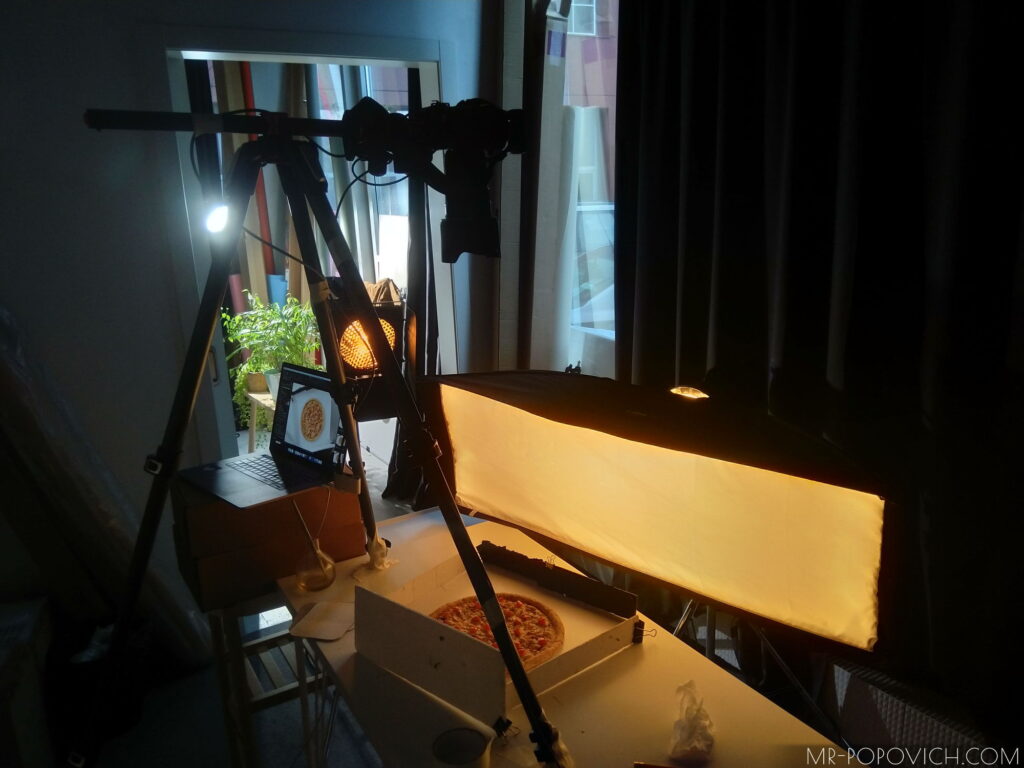
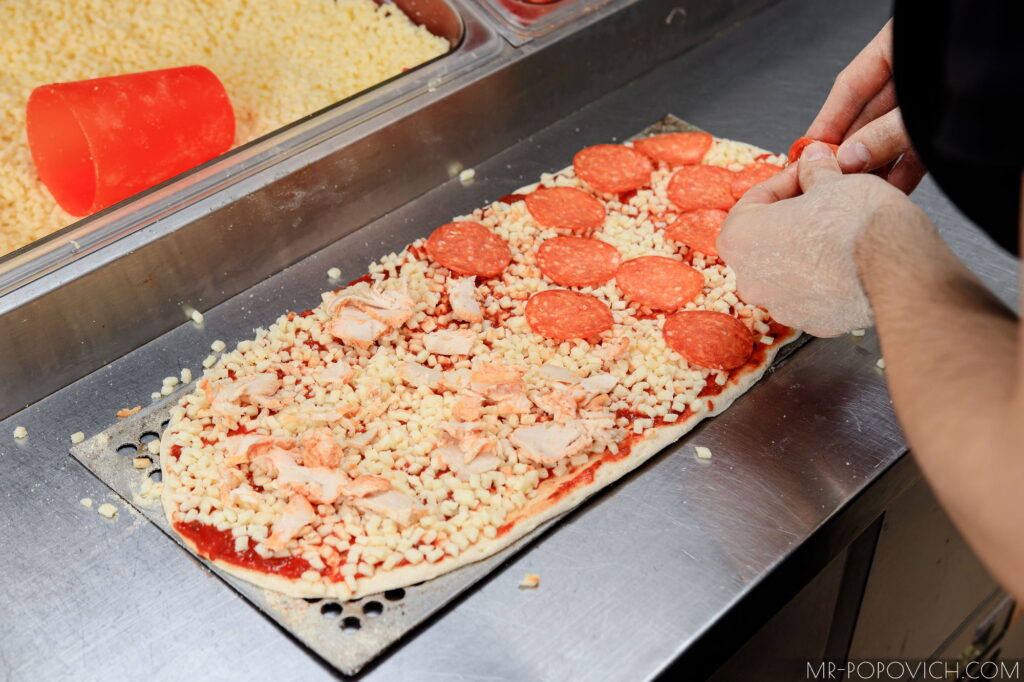
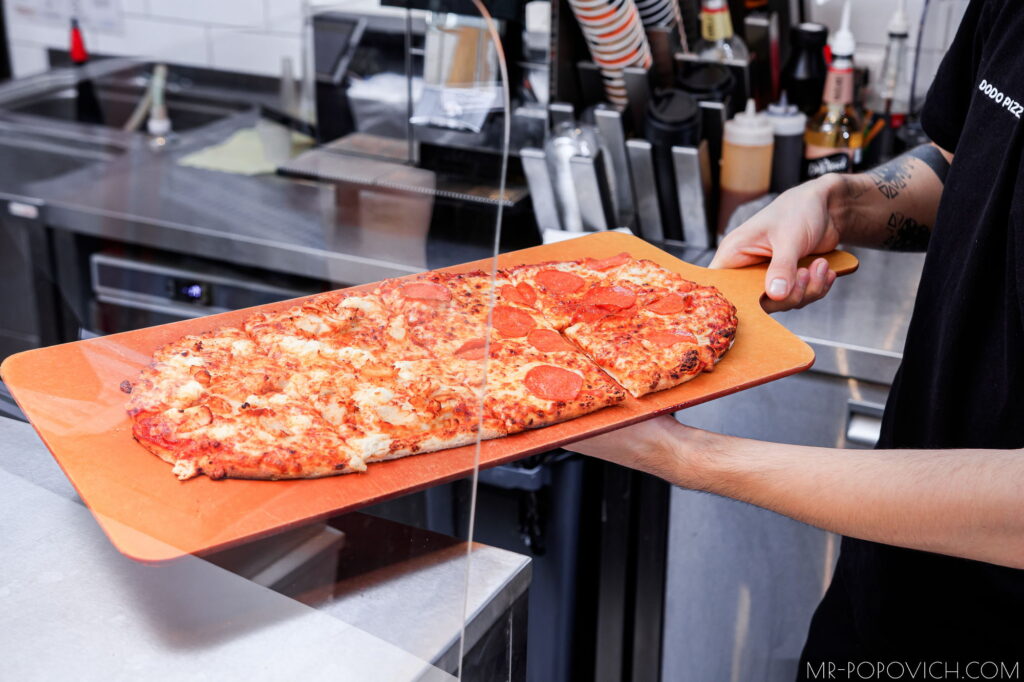
So, that was a long and interesting backstory. Now, about the photoshoot itself. When I came to Dodo, I had extensive experience in shooting still life, but not so much in food photography. And the guys there had a serious approach. At Dodo Pizza, I immediately noticed the professional approach to food photography for restaurants. In addition to professional equipment, there was a food stylist on the shoot who not only prepared the pizza but also made it look beautiful. Before the shoot, the food stylist and I received a brief from the designer (a sketch, layout, etc.) and figured out how to photograph it.
My task was to find the right angle for shooting and create a lighting scheme. Even though my main responsibility was taking photos, I quickly realized that professional food photography is not only about snapping images. Honestly, I never felt that the photos I took at Dodo were truly mine. Perhaps that’s why I never compiled a portfolio of my work. Here’s why: I received a brief from the designer, the food stylist prepared the pizza, and I took the photos and sent the raw files to the retoucher – so my contribution was only about 1/4. And considering that the company had its standards for lighting, etc., my contribution was even less. On the other hand, it wasn’t easy to maintain high-quality standards, but it was very interesting.
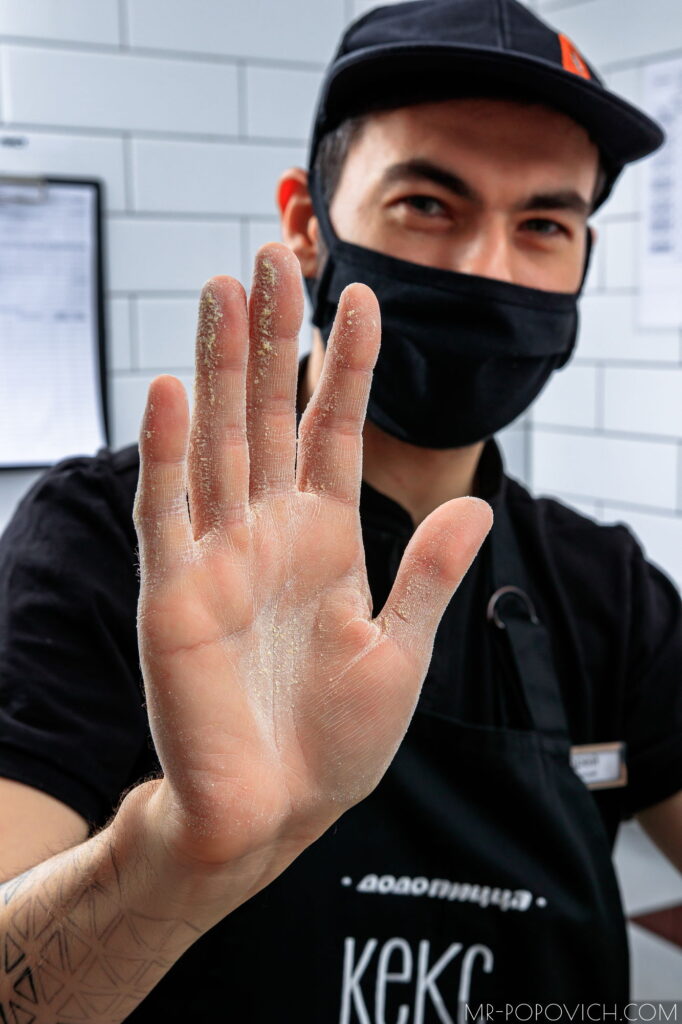
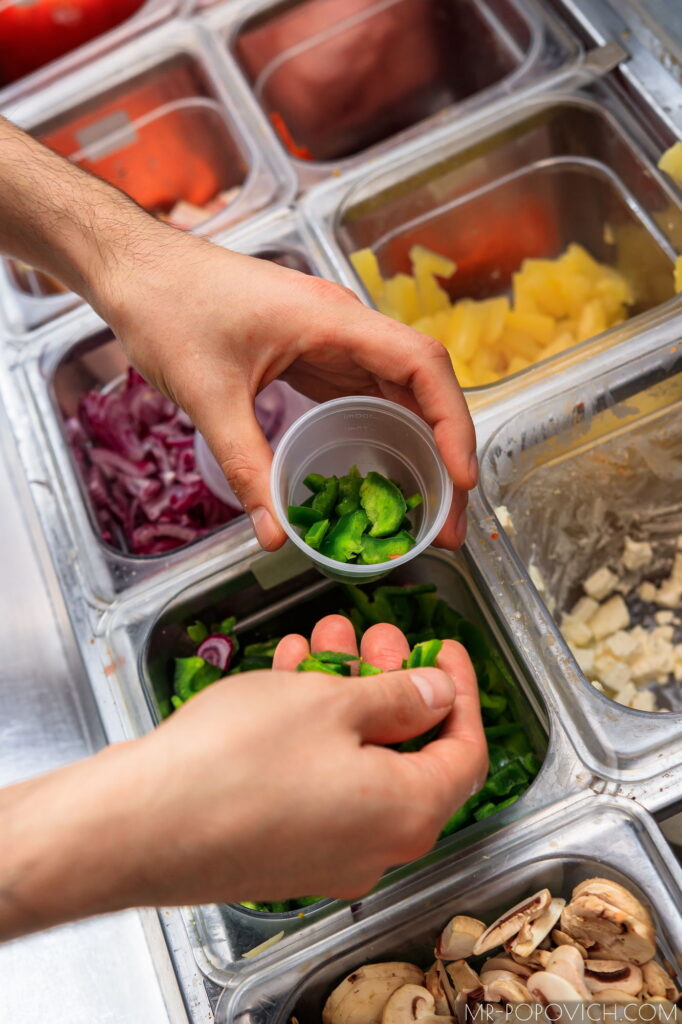
Working with the “Dodo Pizza” brand confirmed some of my assumptions about how large productions work.
Before that, I worked as follows: came up with a shoot, found a model, found a location, took photos (handling all aspects from composition to lighting), and retouched. Sometimes I got help with finding models and locations, but still, most of the results depended on me. But here, the whole process was divided among different people, and they were true professionals in their field. It was amazing. And by the way, I can’t help but mention the company’s corporate culture. You’ve probably heard about the positive atmosphere in the company.
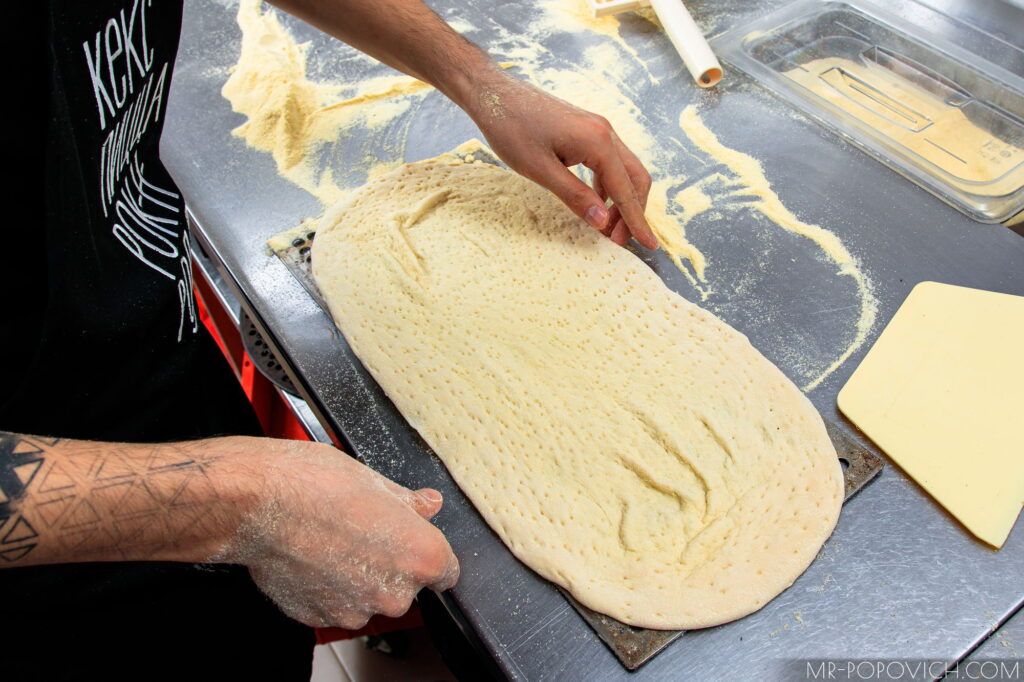
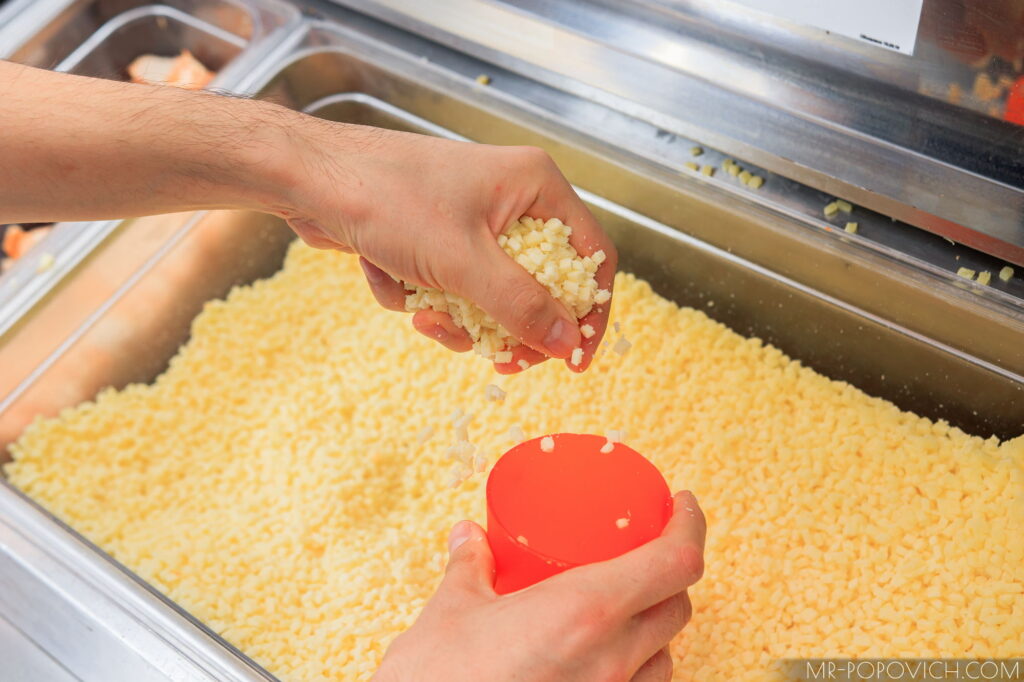
Food photography tips
So, conclusions. If you want to get beautiful photos for your restaurant or café, it’s worth thinking not only about the photographer but also about the food stylist. Your chef should have the necessary skills to make the food look beautiful in the frame. And I’ll tell you this – it’s not always as simple as it seems.
Food photography setup
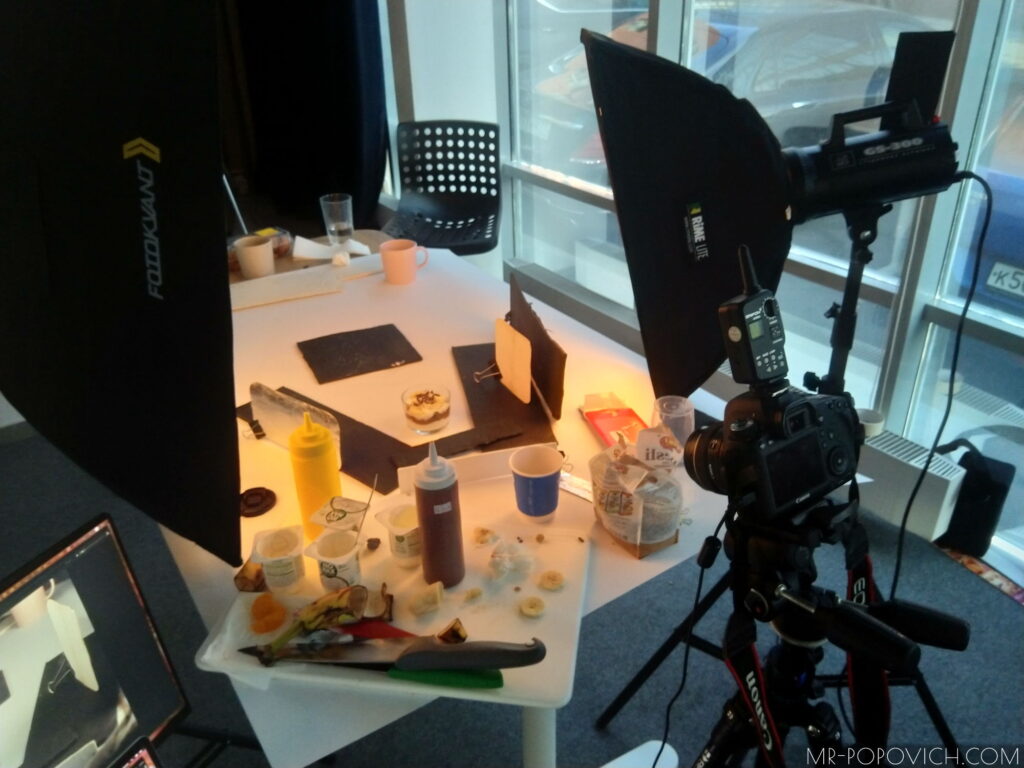
For anyone starting with a food photography setup, it’s important to know that you don’t always need a large studio. The simplest setup is two softboxes, which will give you beautiful soft light. The food will come to life with juicy colors, and the shadows will be soft. If you want to add a little sparkle, you can use an additional hard light source (for example, a flash with grids).
Lighting plays a crucial role in cafe photography ideas. Soft light brings out natural colors, while an extra hard light source, like a flash with grids, can highlight textures and details. Small adjustments in lighting angles can make a huge difference in the overall quality of the photo. Understanding these nuances is what separates average shots from true professional food photography.
Some of my photos can be seen in my portfolio.
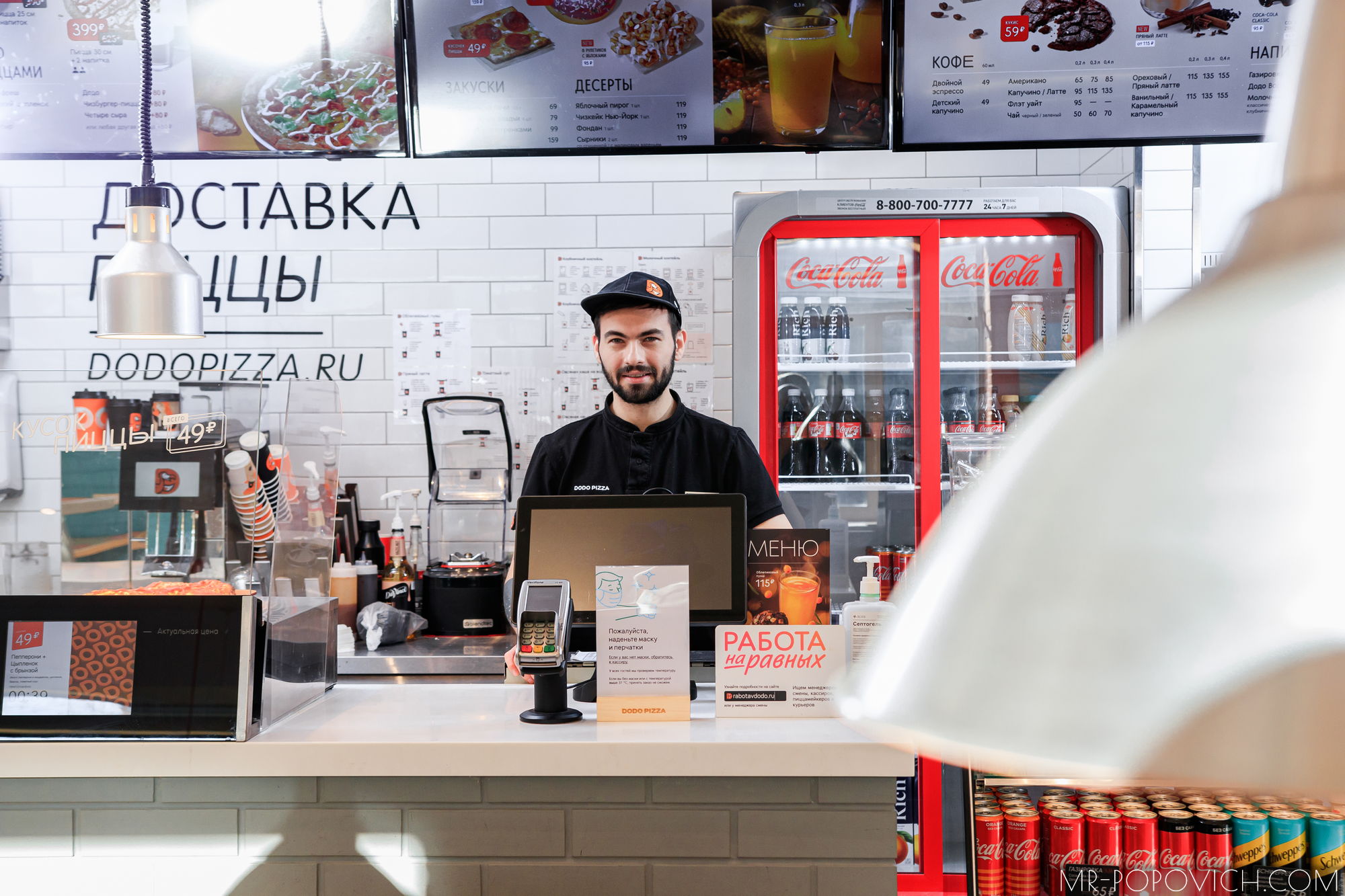
The main thing is not to forget to keep your dishes clean and the condition of your dish. If you can calmly photograph pizza for 10-20 minutes, for example, a layered coffee drink will need to be photographed very quickly (the count goes on seconds) before all the layers have a chance to mix.
Food photography and creative
Even with minimal equipment, creativity plays a huge role in food photography for restaurants. Using different backgrounds, props, and angles allows each photo to feel unique while remaining consistent with the brand’s visual style. It’s this balance of technical skill and creative vision that helps restaurants, cafés, and chains showcase their dishes effectively and attract more customers.
Finally, it’s worth remembering that professional food photography is more than just images; it’s a tool to elevate your brand. Working with a food stylist, planning your visual strategy, and paying attention to details transforms not only your photos but also the perception of your business. Great photography can make a restaurant appear premium, increase engagement, and even strengthen customer loyalty.
I have one more story about food. But it’s diametrically opposite: no rigid standards – only creativity and flowers.